
Computers get a second life in schools, helping to bridge the digital gap
Good to know ・ 19.11.2026
Organisations regularly replace their work computers, even though many are still in good working condition. Meanwhile, schools often lack the funds to upgrade their IT equipment, while the growing importance of digital skills in education is widening the gap in opportunities available to students. At Suure-Jaani Gymnasium, used computers from Coop Pank and the Information Technology Centre of the Ministry of the Environment (KeMIT) are helping to address this challenge.
At the beginning of the school year, 62 students at Suure-Jaani Gymnasium received computers they can use for schoolwork both at school and at home.
According to Aivar Jaeski, Director of Suure-Jaani Gymnasium, the need for digital equipment in schools has steadily increased, but the resources available for upgrading it have not kept pace. Previously, the school had a number of computers that students could borrow during the school day. Teachers wishing to use computers in lessons had to book them in advance and make sure they were not needed by anyone else at the same time.
"I believe that giving students their own computers and making them responsible for looking after them also helps develop their sense of responsibility," says Jaeski. He considers reusing equipment equally important: a high-quality computer that has served a company for several years can remain a reliable learning tool at school for years to come.
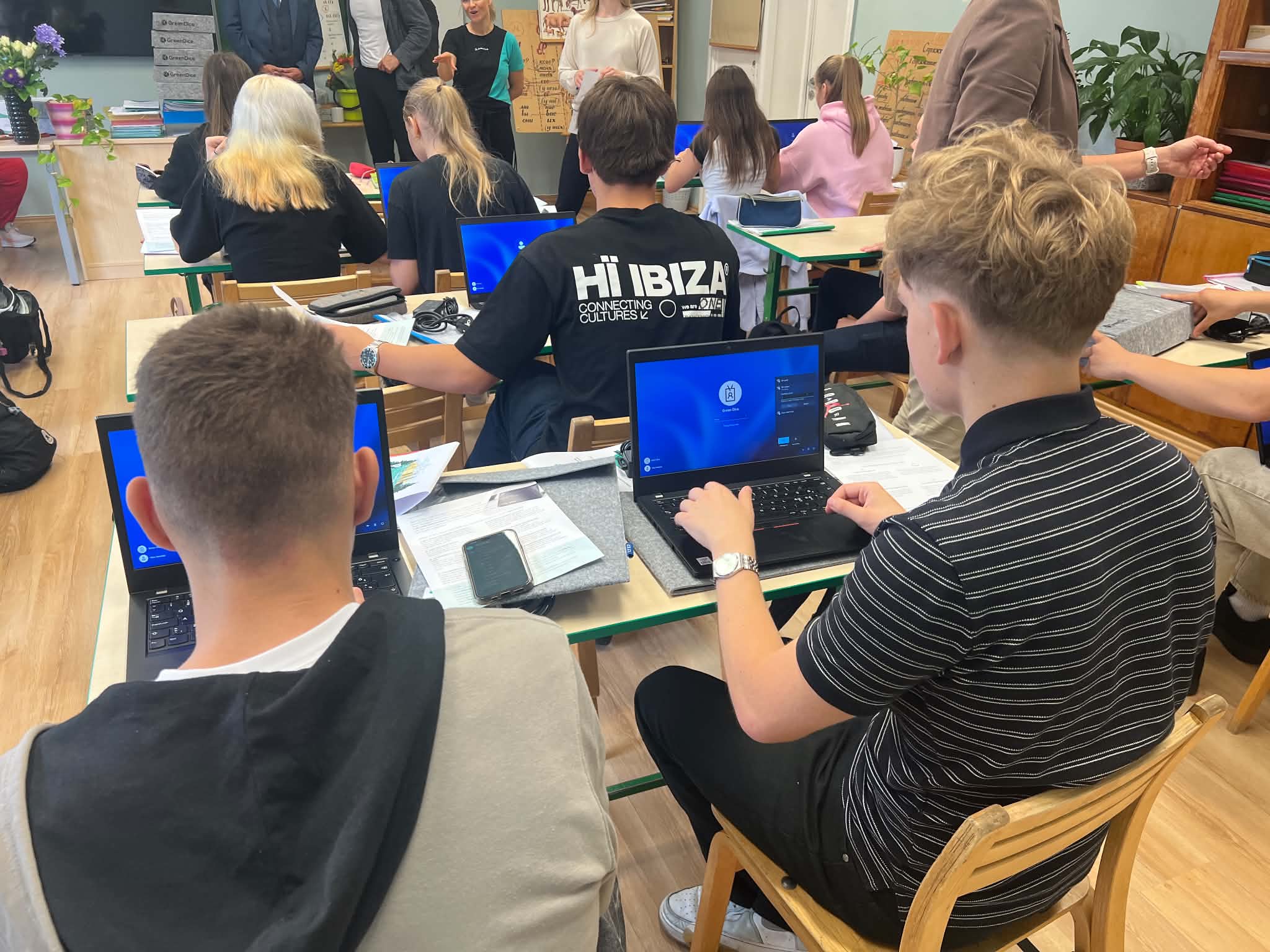
From the bank to the classroom: a second life for computers
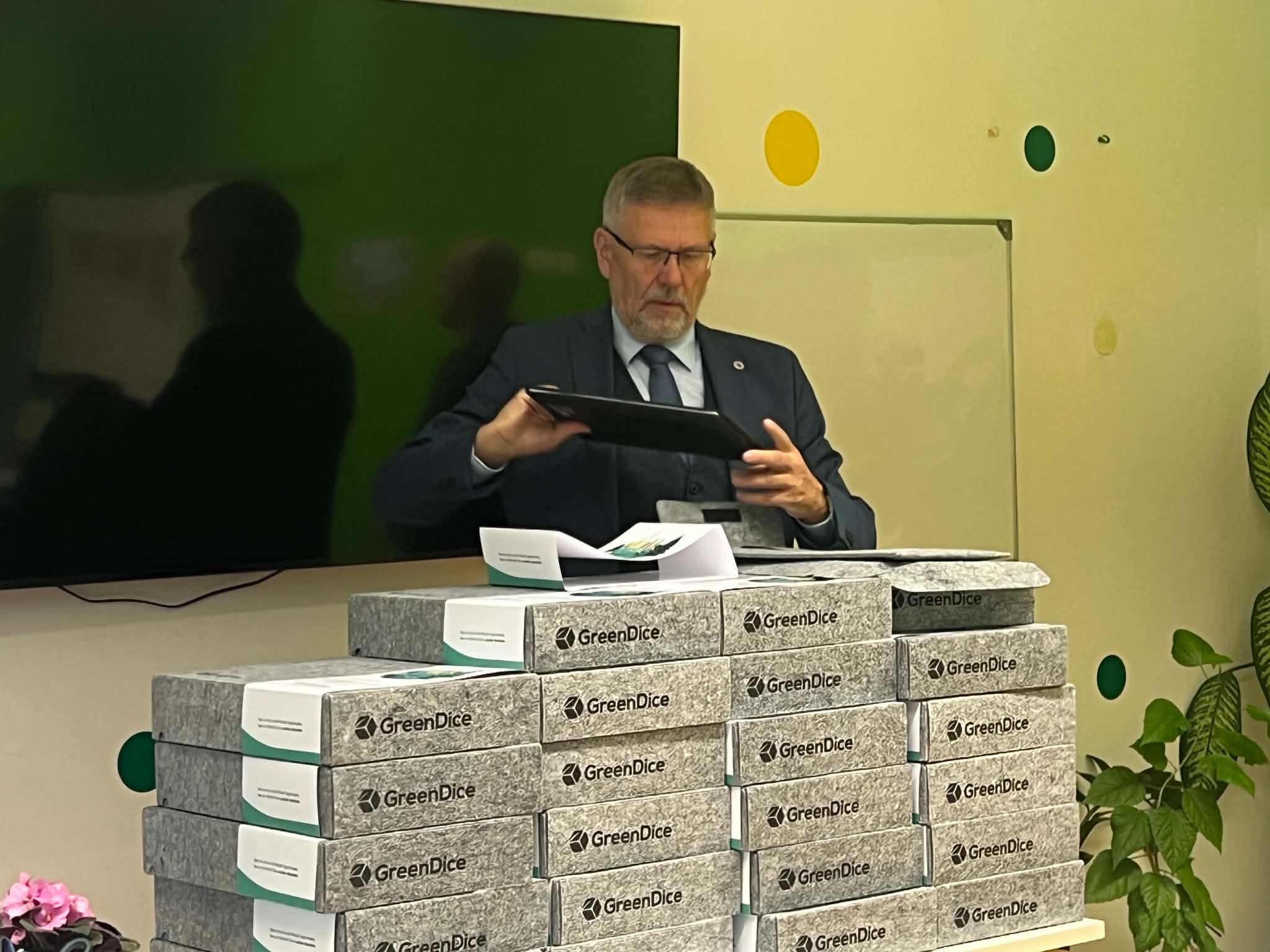
Coop Pank passes its retired IT equipment to GreenDice, which inspects the devices, refurbishes them where necessary and prepares them for new users. This ensures that schools receive equipment that has been checked and is ready to use.
According to GreenDice, a high-quality business-grade computer is typically used by a company for around five years. Once refurbished and passed on to another user, its useful life can be extended by approximately another five years.
Johanna-Maria Siilak, Head of ESG at Coop Pank, explains that replacing a device does not mean it has reached the end of its useful life. Reusing equipment allows it to find a new user and continue serving its purpose.
"A business-grade computer that is no longer used by the bank can still be an excellent learning tool for a student for several more years. By extending the life of our equipment, we help ensure that reliable technology reaches those who can continue to benefit from it," says Siilak.
Coop Pank has been passing on IT equipment to new users through GreenDice since 2022. During this time, the bank has handed over nearly 500 pieces of IT equipment, mainly monitors, keyboards and laptops. Of the laptops handed over, 192 have been put back into use and 46 have been disposed of. Coop Pank's equipment has reached nine educational institutions or organisations offering extracurricular activities across Estonia.
Having a computer of their own helps create equal opportunities
The example of Suure-Jaani also highlights a wider issue. Although computers have become a common learning tool, we cannot assume that every young person has a suitable device at home.
According to Jaeski, not all families can provide the necessary equipment themselves. When schools can give students computers for their own use, it helps create more equal opportunities and makes it easier to use digital tools in teaching. It also helps narrow the digital gap and ensures that a lack of suitable equipment does not become an obstacle to learning.
Through GreenDice, more than 40 educational institutions and organisations offering extracurricular activities across Estonia have received equipment, including schools, kindergartens, youth centres and libraries. Interest in the service has grown, and demand for devices now exceeds the number immediately available.
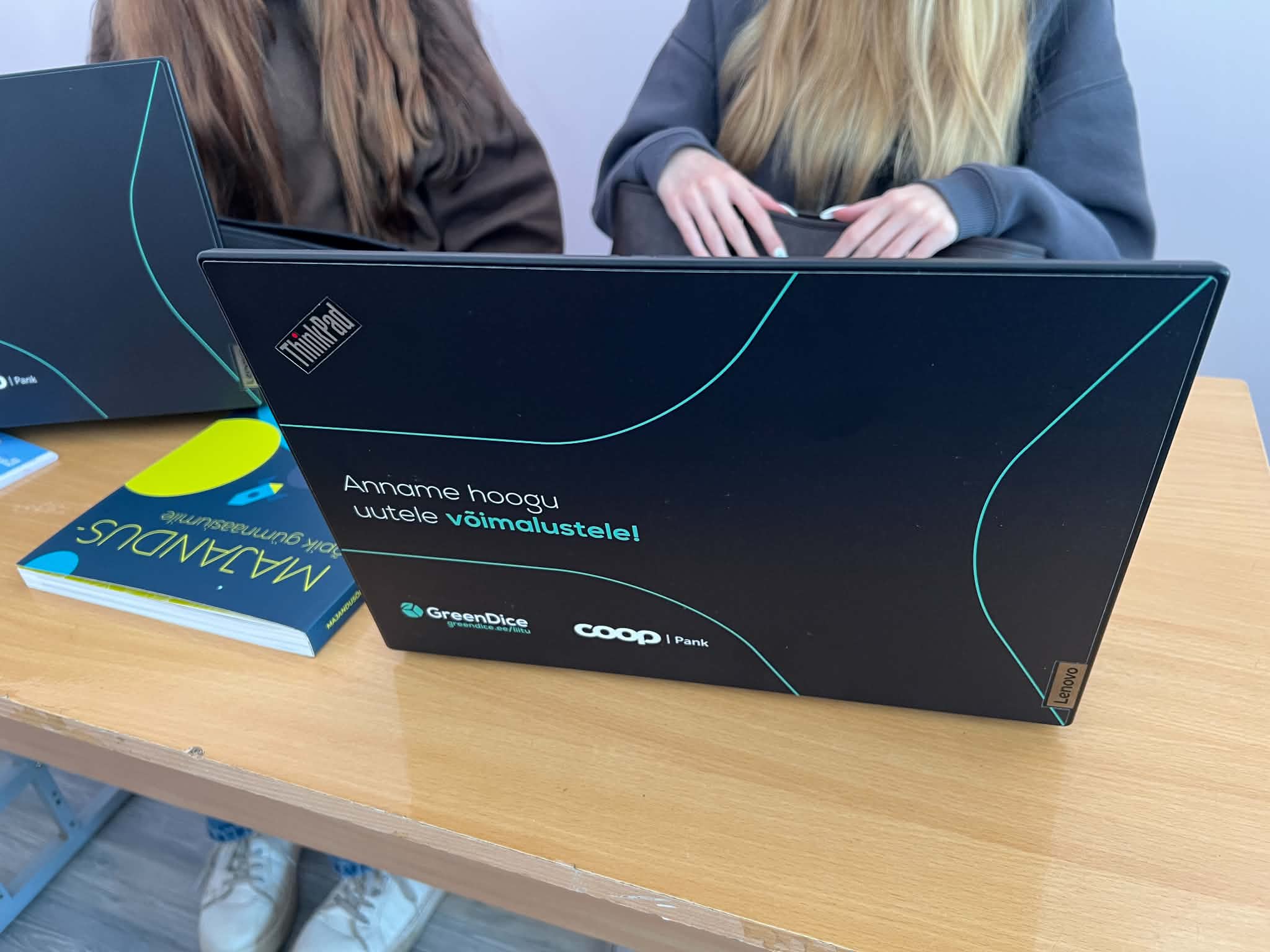
One device, a longer life
Reusing IT equipment also has environmental benefits. The longer an existing device remains in use, the longer the need for a new one can be postponed.
"We can extend the useful life of these high-tech devices. By putting them back into use, we also help protect the environment and nature," says Jaeski.
GreenDice has helped put more than 2,500 devices back into use, preventing an estimated one tonne of electronic waste.
Providing equipment, however, is only part of the solution. The school has also identified a need for practical knowledge of cybersecurity and digital hygiene. These subjects are an important part of everyday work in banking, and Coop Pank's experts could share their knowledge with schools in the future.
"We want our cooperation to go beyond simply handing over equipment. If we can also share knowledge that helps young people stay safer in the digital world, our cooperation will be even more valuable," says Siilak.
From October, GreenDice is also introducing themed months at its partner schools, with webinars and learning materials covering topics such as entrepreneurship, digital opportunities, artificial intelligence, financial risks and digital safety.
Organisations regularly replace their work computers, even though many are still in good working condition. Meanwhile, schools often lack the funds to upgrade their IT equipment, while the growing importance of digital skills in education is widening the gap in opportunities available to students. At Suure-Jaani Gymnasium, used computers from Coop Pank and the Information Technology Centre of the Ministry of the Environment (KeMIT) are helping to address this challenge.
At the beginning of the school year, 62 students at Suure-Jaani Gymnasium received computers they can use for schoolwork both at school and at home.
According to Aivar Jaeski, Director of Suure-Jaani Gymnasium, the need for digital equipment in schools has steadily increased, but the resources available for upgrading it have not kept pace. Previously, the school had a number of computers that students could borrow during the school day. Teachers wishing to use computers in lessons had to book them in advance and make sure they were not needed by anyone else at the same time.
"I believe that giving students their own computers and making them responsible for looking after them also helps develop their sense of responsibility," says Jaeski. He considers reusing equipment equally important: a high-quality computer that has served a company for several years can remain a reliable learning tool at school for years to come.
Latest posts

Good to know・28.10.2026
How does securitisation help a bank grow its loan portfolio?
Good to know・12.10.2026
Using AI in banking customer service and sales may not deliver the expected benefits
Good to know・08.10.2026
A good internship should offer real work experience and create value for both sides