
A former poultry research station is drawing visitors to Kurtna from across Estonia
Business ・ 30.09.2026
When a business grows, it often seems logical to move closer to a more populous area with a larger market. Anna Lutter has taken the opposite approach. Together with her partner Algo, she has continued to develop their ventures in Kurtna, a village of around 300 residents, and has now taken on a project worth around half a million euros to give new life to the former main building of the local poultry breeding research station.
Anna was born and raised in Kurtna and has never seen the village’s small size as an obstacle to entrepreneurship. Nearly eight years ago, when she was looking for a permanent home for her craft workshops, she found it in a disused poultry house. That is how KUUT was born – a place that soon began attracting people to workshops and events from Tallinn, Tartu, Saaremaa, Võru and Narva.
“I have never thought it would be easier in the city. If anything, I feel that our location is one of our strengths,” Anna says.
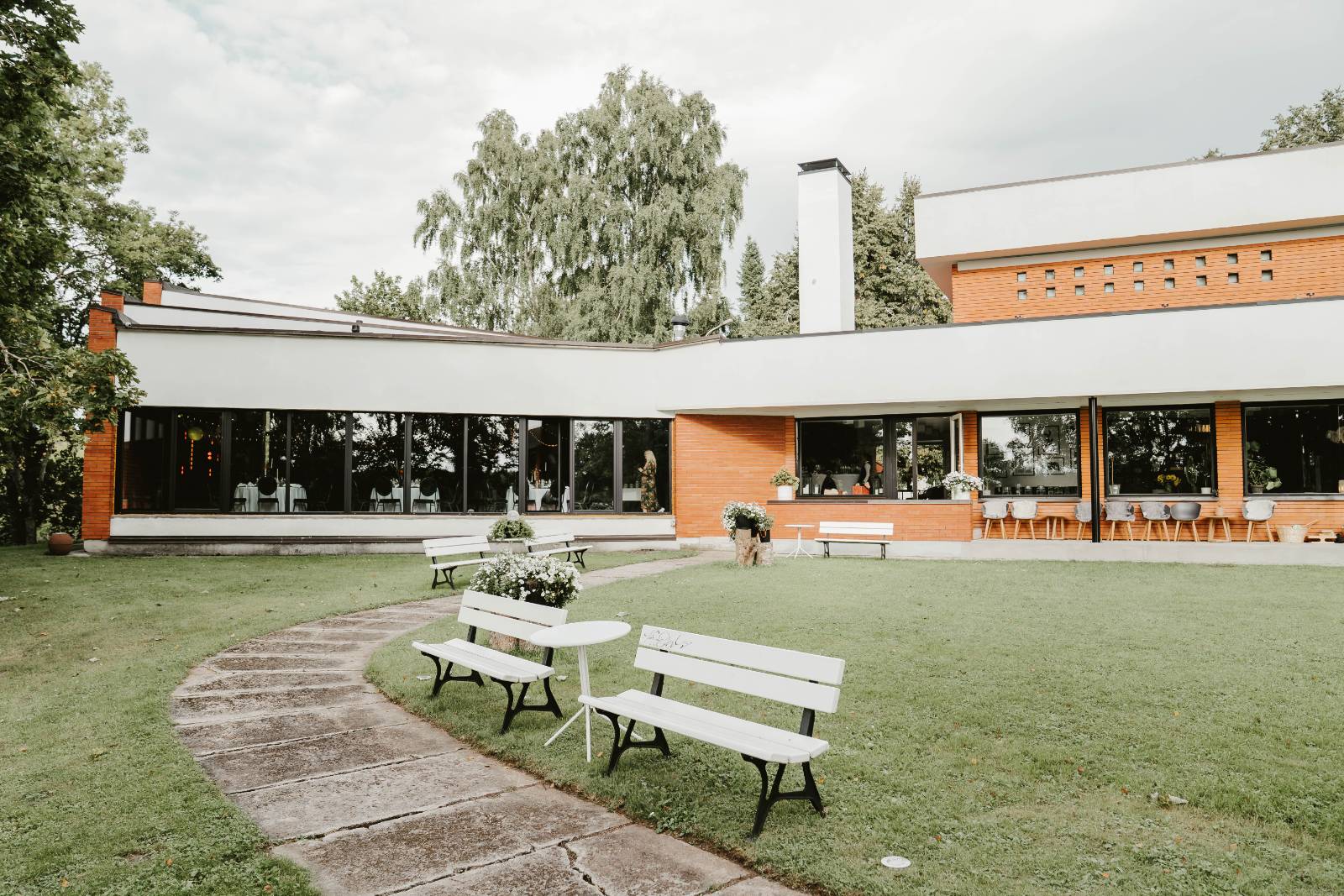
She estimates that local residents account for only around 15% of KUUT’s customers. Everyone else needs a reason to make the journey to Kurtna worthwhile. Corporate groups, for example, can be offered an orienteering game through the village, a tour of buildings that remain from the former poultry research complex, or simply the opportunity to spend a day away from the city.
Entrepreneurship brings more than customers to a small community
Although most customers come from outside Kurtna, Anna’s business relies heavily on local people. Her „very KUUT fest“ events have been organised with the help of family members, neighbours, relatives and fellow folk dancers, while local people also come together to lend a hand during community work days.
Sixty or seventy years ago, Kurtna was known throughout the Soviet Union as a leading centre of poultry breeding and research. A couple of decades ago, the Vembu-Tembumaa family park brought wider recognition to the village. Today, many people associate Kurtna with uperKUUT. Through different events and opportunities to come together, Anna hopes Kurtna will also become known for its active and close-knit community.
Anna’s frequent sharing of life in Kurtna has even helped convince at least one young family to move to the village. “Kurtna doesn’t just seem like a charming little place where everyone knows everyone, you can always borrow some flour and someone will definitely look after your cat. It really is exactly that kind of place,” Anna says.
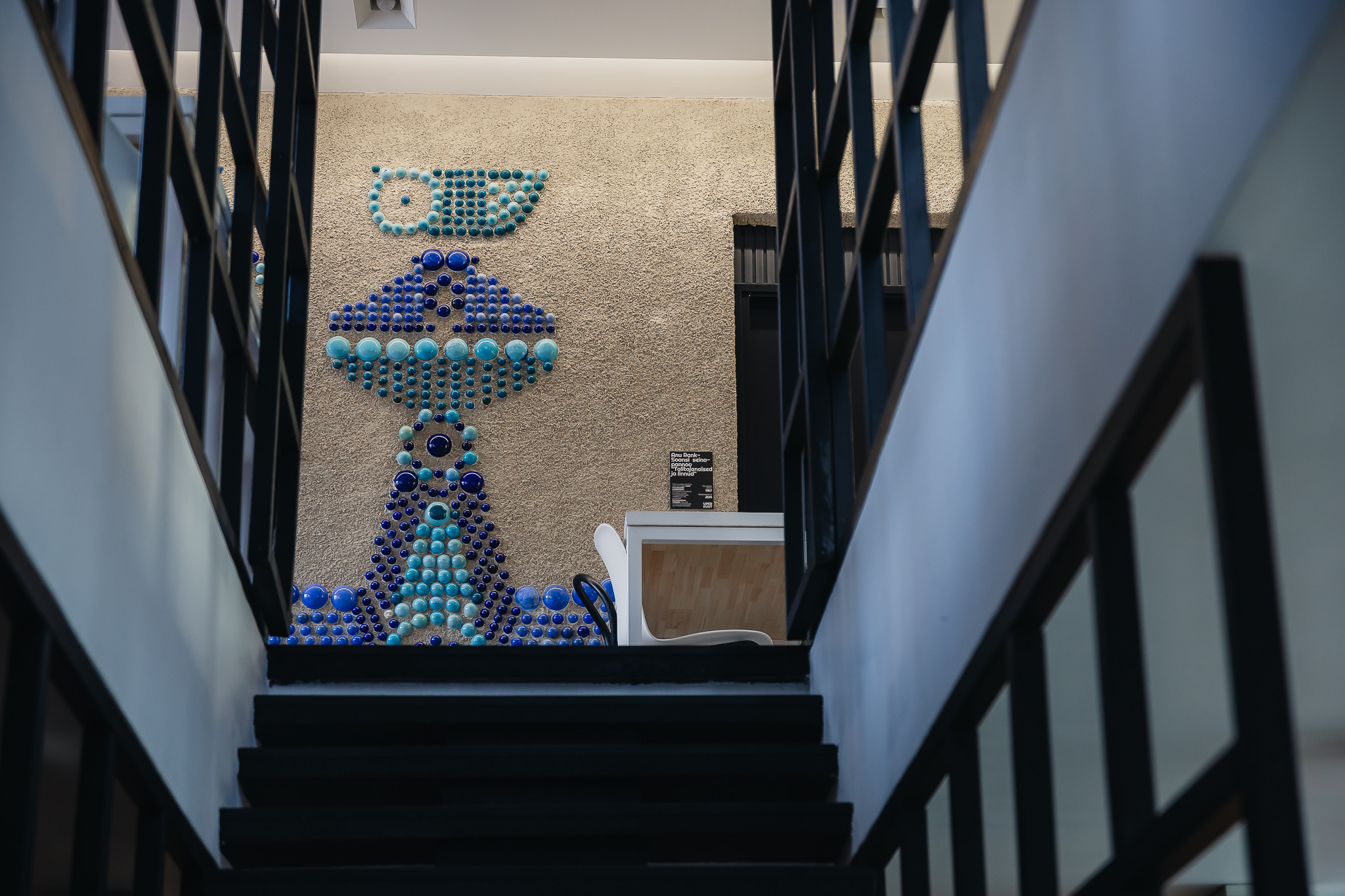
Over the years, KUUT proved to Anna that a business could succeed in a small village. At some point, however, she began to want something that was truly her own rather than continuing in rented premises.
The opportunity was right there in the centre of Kurtna. The former main building of the poultry breeding research station had been on the market for years, and its price had fallen to a level where Anna began to wonder whether buying it might actually be possible.
The building also has personal significance for her family. Anna’s grandmother once worked there, while her father’s first job was mowing the grass around the same building. Now retired, he is once again mowing the lawn there – this time for his daughter’s business.
Anna herself first visited the building before she was even born. “I had my first party in this building while I was still in my mother’s belly. I suppose I have liked organising parties from a very early age,” Anna laughs.
A half-million-euro decision required support from a bank
The building cost approximately half a million euros. Anna had been able to build KUUT using money accumulated through her own business, but an investment of this size required financing from a bank.
She made her first calculations using the same logic she was familiar with from home loans, but conversations with banks quickly made it clear that financing commercial property works on different terms. Several banks turned the project down.
Coop Pank was prepared to take a closer look. In her business plan, Anna put figures behind both the existing business and her plan for how the much larger property could generate enough income to sustain itself in the future.
“When I got the call saying I would receive the loan, I was simply so happy. I had thought the biggest question was whether I would be brave enough to take on the project. In reality, the question was also whether I would even be able to do it,” Anna says.
Soon after the purchase came an unexpected sign that the building might have more potential uses than Anna herself had anticipated when writing the business plan. Merko Eesti rented one wing of the building as an office for work connected with the Rail Baltica project, while the accommodation facilities are also used during the week. Weekends remain available for Anna’s own events.
The rental income has made it possible to continue renovating the building at the same time.
One building could grow into a new village hub
Anna’s plans go far beyond renovating the existing building. Next, she wants to build an outdoor stage and host concerts, expand the accommodation facilities and bring more weddings, company summer events and community gatherings to Kurtna. In the longer term, the entire complex could provide accommodation for around 80 people.
For now, however, the large project means many evenings and weekends spent renovating for Anna and Algo. Anna jokes that she dreams of the day when the major construction work is finished and the only things left to fix are the occasional door handle or small dent in the plasterboard. “It would be great if, five years from now, all our ideas had been brought to life and we could simply focus on the small and enjoyable things,” Anna says.
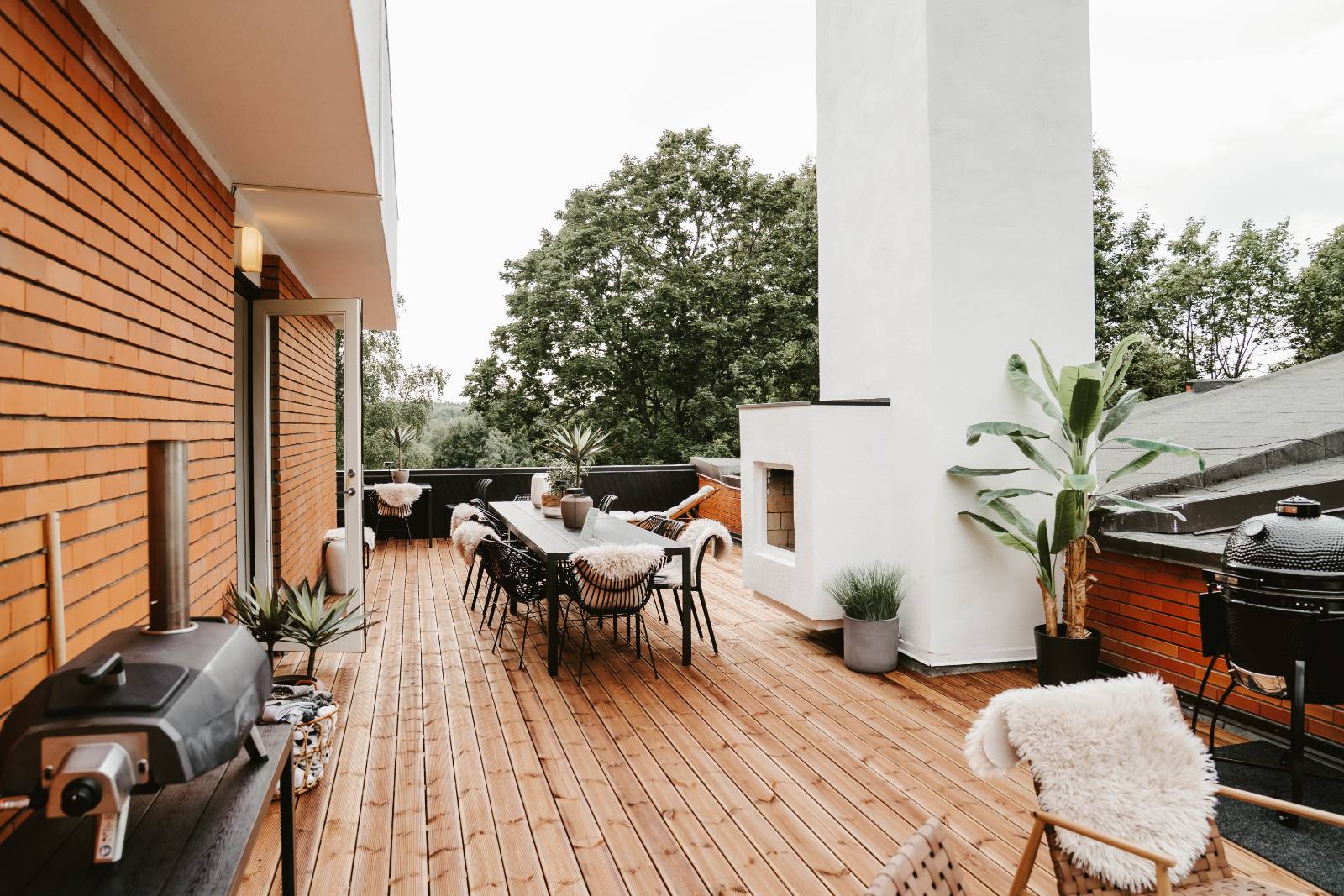
In reality, there are enough ideas to keep them busy for much longer. The property also includes an old watermill building and the former manor’s ice cellar, which could one day be converted into additional accommodation or perhaps even a wine cellar with arched vaults. Anna’s big ambition is to reach a point where the complex can accommodate around 80 people throughout the year.
The growth has already created one permanent job. A long-time partner who had provided sewing services to Anna for years now works for her company, and a sewing workshop has been built for her in the basement of the new property. Depending on the season, she also helps with running the venue and organising events.
Anna’s story shows how the growth of a single business can give momentum to an entire place: bringing in visitors, giving an old building a new purpose, creating jobs and creating new reasons for people to come together and do things locally.
Taking the next step, however, often requires more capital than a small business has available on its own. Coop Pank wants to support entrepreneurs who already have a functioning business and a well-considered plan for growth. For women entrepreneurs, one option is Coop Pank’s dedicated loan for female entrepreneurs, which can be used to finance business investments and growth.
For Anna, however, the whole venture ultimately comes back to people. She quotes one of her favourite songwriters, Lauri Saatpalu: “Grey houses, colourful wonders inside.”
“The building itself is not the most important thing. What has kept this building alive are the people and their stories,” Anna says. “I really hope that, just as Kurtna has inherited a wonderful sense of community from the past, we can carry that same humanity, friendliness and warmth forward.”
Latest posts


Business・16.08.2026
Saunas made in Võrumaa reach Canada and Australia
Business・15.05.2026
Only 30–40% of family businesses survive a generational transition