
A new office doesn’t need new furniture
Good to know ・ 21.09.2026
An office refurbishment often means a new layout, a fresher look and, almost by default, new furniture. But that last assumption is worth questioning. Johanna-Maria Siilak, Head of ESG at Coop Pank, says companies should first take a fresh look at what they already have before ordering anything new.
Mention the circular economy and many people immediately think of sorting waste or the reusable cups and food containers now required at public events. In reality, the circular economy starts much earlier: with the decision to keep products and materials already in circulation in use for as long as possible.
The international Circularity Gap Report 2026 estimates that only 6.9 per cent of the materials entering the global economy are cycled back into use. In other words, the dominant model is still to extract new resources, turn them into products and eventually replace them with more new products. Office furniture is one very practical area where companies can choose a different approach.
Refurbishing an office does not have to mean replacing everything in it. Furniture that is still in good condition can be repainted, refreshed or adapted, moved elsewhere, or passed on to a new owner. Done thoughtfully, this does not require any compromise on appearance or comfort.
This is an approach we have followed at Coop Pank for years. Most recently, it guided the refurbishment of our Magistrali branch in Tallinn — our only branch in the capital that handles cash. With visitor numbers rising steadily and an opportunity arising this February to expand into the neighbouring premises, we decided to carry out a more comprehensive refurbishment.
The existing desks were repainted, the lighting was kept in place, and doors that no longer suited the customer area were put to use in staff areas. Other good-quality furnishings were placed in storage so they can be used in another branch when needed.
“You don’t always need to clear the space and start from scratch to achieve an excellent result. With smart space planning, we gained the workrooms we needed and created a welcoming service area that has made a very positive impression even on our regular customers. Come and take a look — seeing it for yourself makes all the difference,” said Tiia Reineberg, Head of Coop Pank’s Tallinn branches.
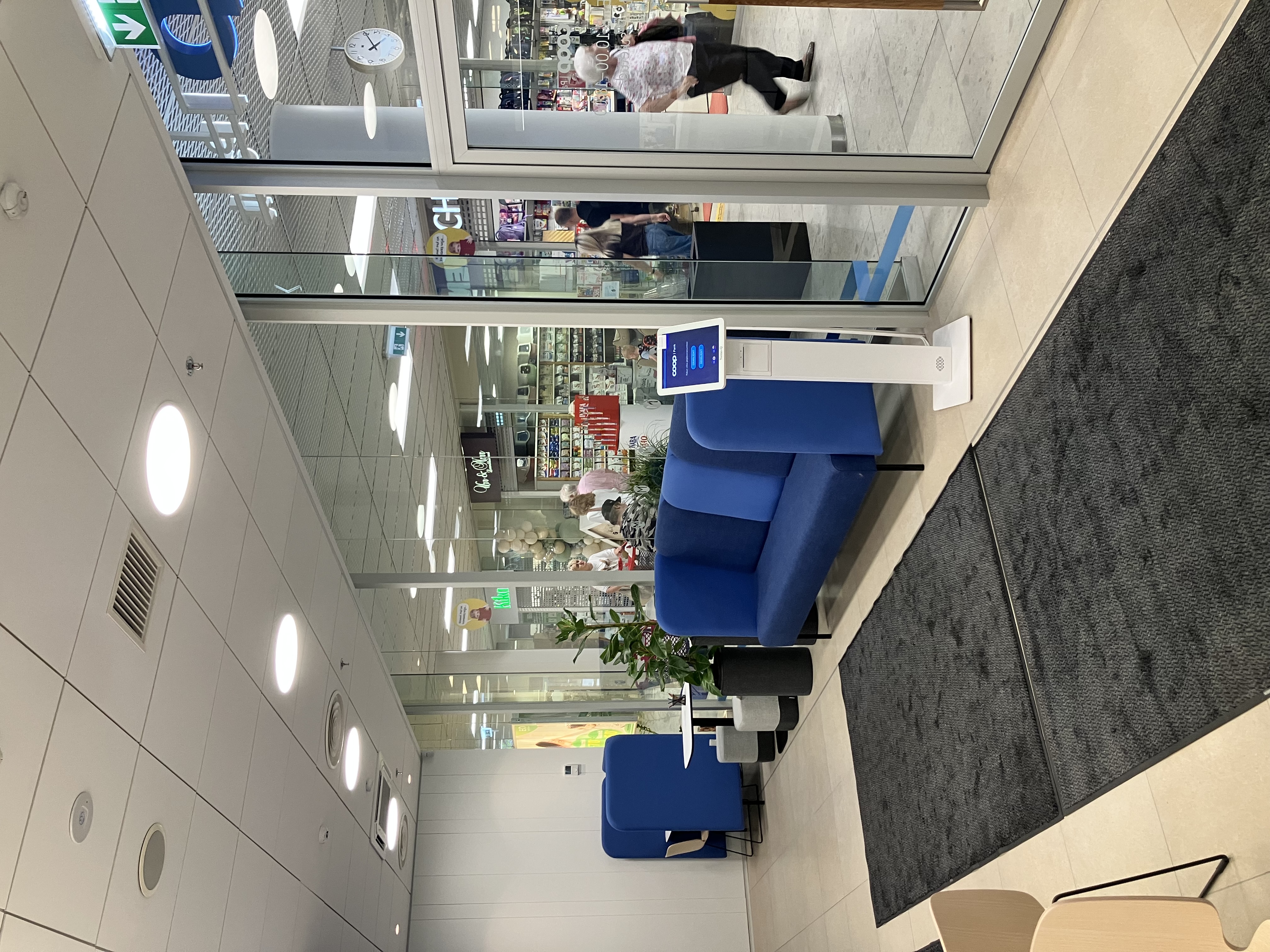
We have applied the same thinking elsewhere, too. The bank’s Facilities Manager, Martin Pius, has also chosen to reuse existing furnishings and extend their lifespan wherever possible during previous office upgrades. When we moved to our new head office, we brought desks, chairs and drawer units with us, while surplus furniture that was still perfectly usable found new homes, including with large families. Where needed, we have fitted old tabletops with electrically adjustable legs to create ergonomic workstations without replacing the whole desk.
The best reuse often does not look like reuse at all. For employees, what matters is a comfortable place to work; for customers, a modern and pleasant environment. Neither depends on every piece of furniture being new.
This may be one of the simplest ways for companies to put circular economy principles into practice. Offices are renovated and workplaces updated anyway. The real question is whether every change also needs to mean replacing furniture that is still intact, usable and fit for purpose.
Latest posts

Good to know・12.10.2026
Using AI in banking customer service and sales may not deliver the expected benefits
Good to know・08.10.2026
A good internship should offer real work experience and create value for both sides
Good to know・09.07.2026
More than just running – how one running club is transforming a community